 Chameza Group
In today’s rapidly evolving scientific, pharmaceutical, and industrial landscape, laboratories are no longer just workspaces—they are highly specialized ecosystems that demand precision, compliance, and future-ready design. Organizations across pharmaceuticals, healthcare, education, biotechnology, and research institutions are increasingly focusing on end-to-end solutions that reduce complexity and improve efficiency. This is where a comprehensive approach to laboratory development becomes critical.
A modern laboratory project involves far more than installing equipment. It requires careful planning, regulatory awareness, optimized layouts, safety integration, and long-term operational sustainability. Companies that understand this complexity can transform ideas into fully functional facilities that support innovation, productivity, and compliance from day one.
The Evolution of Modern Laboratory Development
Laboratories have evolved significantly over the past two decades. Earlier, lab projects were often fragmented, involving multiple vendors for design, furniture, HVAC, utilities, and safety systems. This approach frequently led to coordination issues, cost overruns, and delays.
Today, organizations prefer unified project execution models that bring design, engineering, procurement, and installation under one roof. A Turnkey Lab approach simplifies this entire process by providing a single point of responsibility, ensuring seamless coordination between all elements of the project.
This evolution has been driven by tighter regulatory standards, increasing safety requirements, and the growing need for laboratories to be scalable and adaptable. Whether it’s a pharmaceutical R&D center or an academic research lab, integrated planning ensures that every component works together efficiently.
Why Infrastructure Planning Is the Backbone of Any Lab
While laboratory equipment often gets the most attention, the underlying foundation determines the success of the facility. Electrical systems, ventilation, plumbing, gas lines, cleanroom compatibility, and safety mechanisms must all be designed with precision. Strong Lab Infrastructure ensures that operations remain uninterrupted, compliant, and safe over the long term.
Poor infrastructure planning can lead to frequent breakdowns, inefficient workflows, and costly retrofits. On the other hand, a well-designed infrastructure supports high performance, energy efficiency, and regulatory compliance. It also allows laboratories to upgrade equipment or expand capacity without major structural changes.
Modern labs must also address sustainability, incorporating energy-efficient systems, waste management solutions, and environmentally responsible materials to meet global standards.
Integrated Design and Engineering: A Strategic Advantage

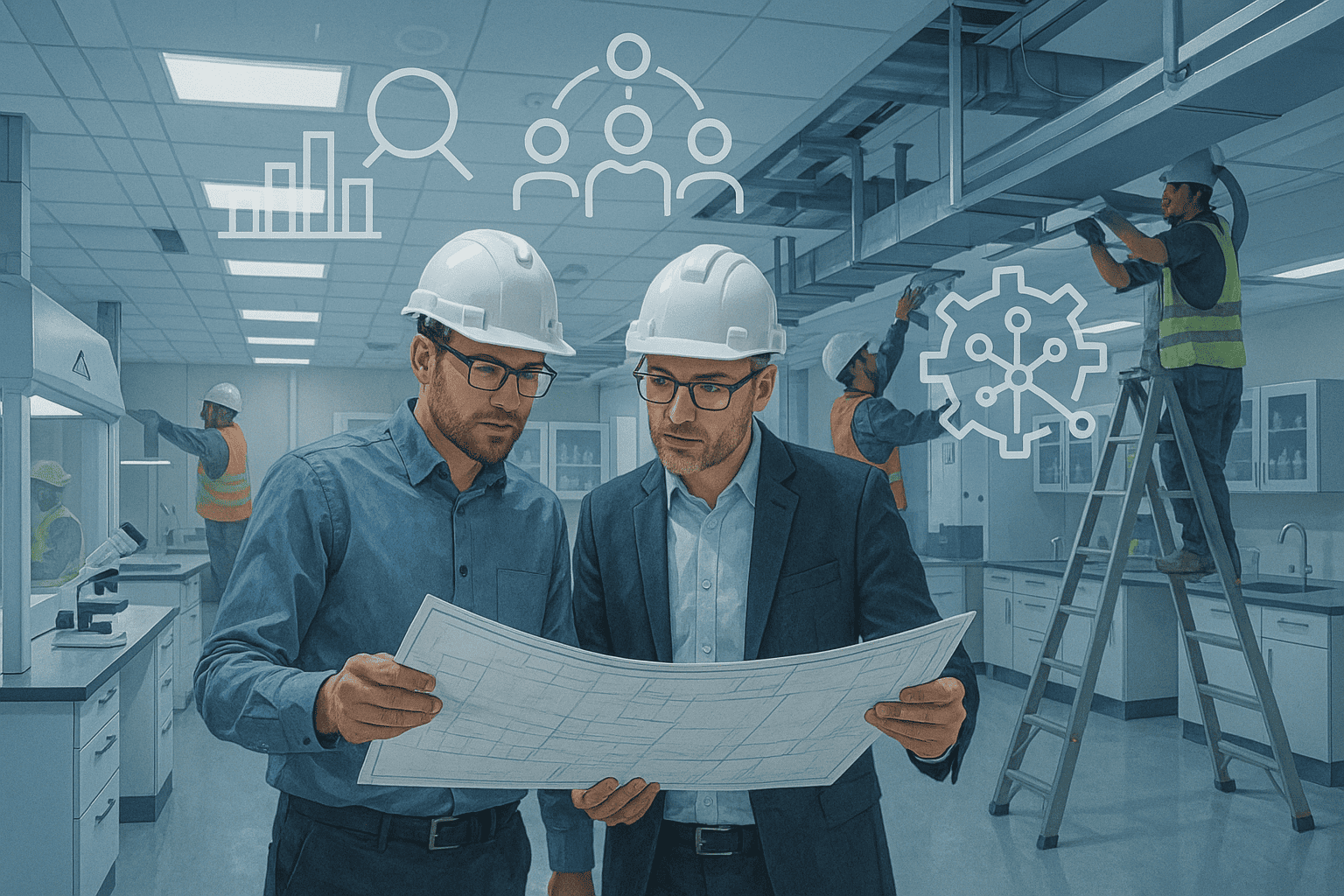
One of the biggest advantages of an integrated laboratory solution is the alignment between design intent and execution. When architects, engineers, and lab specialists collaborate from the initial planning stage, the result is a facility that balances aesthetics, functionality, and compliance.
A professionally executed Turnkey Lab project considers workflow optimization, ergonomic furniture placement, contamination control, and future scalability. Every square foot is utilized efficiently, reducing operational bottlenecks and enhancing productivity for researchers and technicians.
Additionally, integrated engineering ensures compatibility between laboratory furniture, fume hoods, HVAC systems, and electrical layouts. This level of coordination is difficult to achieve when multiple contractors work independently.
Compliance, Safety, and Quality Assurance
Laboratories operate under strict national and international regulations. From ISO and NABL standards to GMP and GLP guidelines, compliance is non-negotiable. Infrastructure and layout decisions directly impact a lab’s ability to meet these requirements.
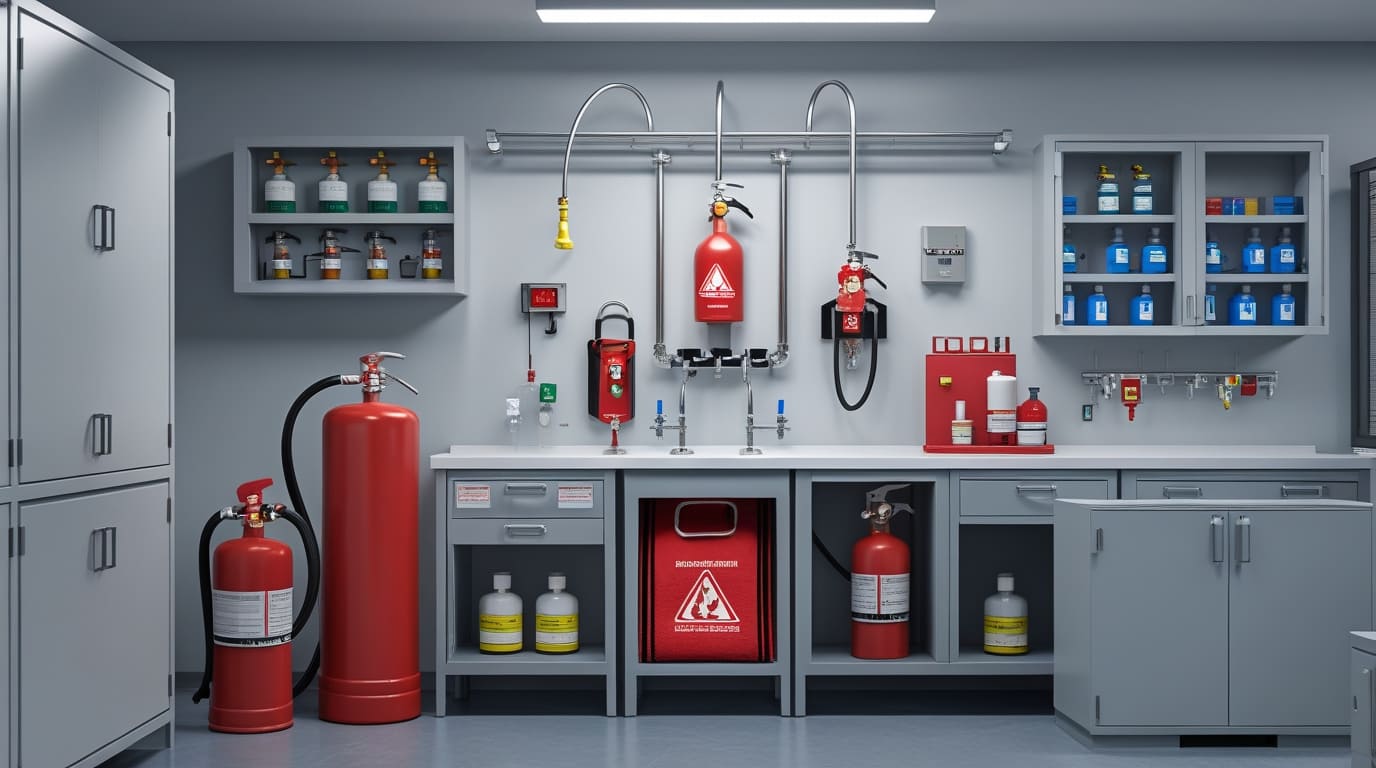
Robust Lab Infrastructure incorporates advanced safety systems such as proper exhaust ventilation, fire suppression, emergency showers, eyewash stations, and controlled access zones. These features protect personnel while ensuring regulatory approvals are obtained smoothly.
Quality assurance also extends to material selection, installation practices, and documentation. A structured project approach ensures that validation and certification processes are faster and more efficient, minimizing delays in lab commissioning.
The Role of Technology in Modern Laboratories

Digital integration is becoming a core component of laboratory design. Smart monitoring systems, automated controls, and data-driven facility management tools enhance operational efficiency and reduce human error. Sensors can monitor airflow, temperature, and humidity in real time, ensuring optimal working conditions.
In a Turnkey Lab setup, technology integration is planned from the beginning rather than added later as an afterthought. This ensures seamless compatibility between physical infrastructure and digital systems, enabling better control, traceability, and performance monitoring.
Such technology-driven labs are better equipped to handle high-precision research, sensitive experiments, and regulatory audits.
Scalability and Future Readiness
One of the biggest challenges organizations face is adapting laboratories to future needs. Research focus, equipment requirements, and regulatory norms change over time. A future-ready lab is designed with flexibility at its core.
Thoughtfully planned Lab Infrastructure allows for easy reconfiguration of spaces, addition of new instruments, and upgrades without disrupting ongoing operations. Modular furniture systems, adaptable utility grids, and expandable HVAC systems ensure long-term usability.
This forward-thinking approach not only saves costs but also extends the lifecycle of the laboratory, making it a strategic investment rather than a short-term solution.
Delivering Value Through Expertise
Successful laboratory projects are driven by experience, technical knowledge, and attention to detail. From concept design to final handover, every phase requires coordination and expertise. Organizations that choose comprehensive solutions benefit from reduced risk, faster project timelines, and predictable outcomes.
A well-executed Turnkey Lab project eliminates guesswork, ensures accountability, and delivers a facility that meets both operational and regulatory expectations. Combined with strong infrastructure planning, it creates an environment where innovation can thrive without limitations.
Conclusion
Laboratories are critical assets that support research, innovation, and quality assurance across industries. Their success depends not only on equipment but on thoughtful planning, integrated execution, and future-ready infrastructure. By adopting a holistic approach that aligns design, engineering, safety, and compliance, organizations can create laboratories that perform efficiently today and adapt seamlessly tomorrow.
With the right expertise and strategic planning, modern laboratory projects can move beyond complexity and become streamlined, compliant, and high-performing environments that truly support scientific progress.