 Chameza Group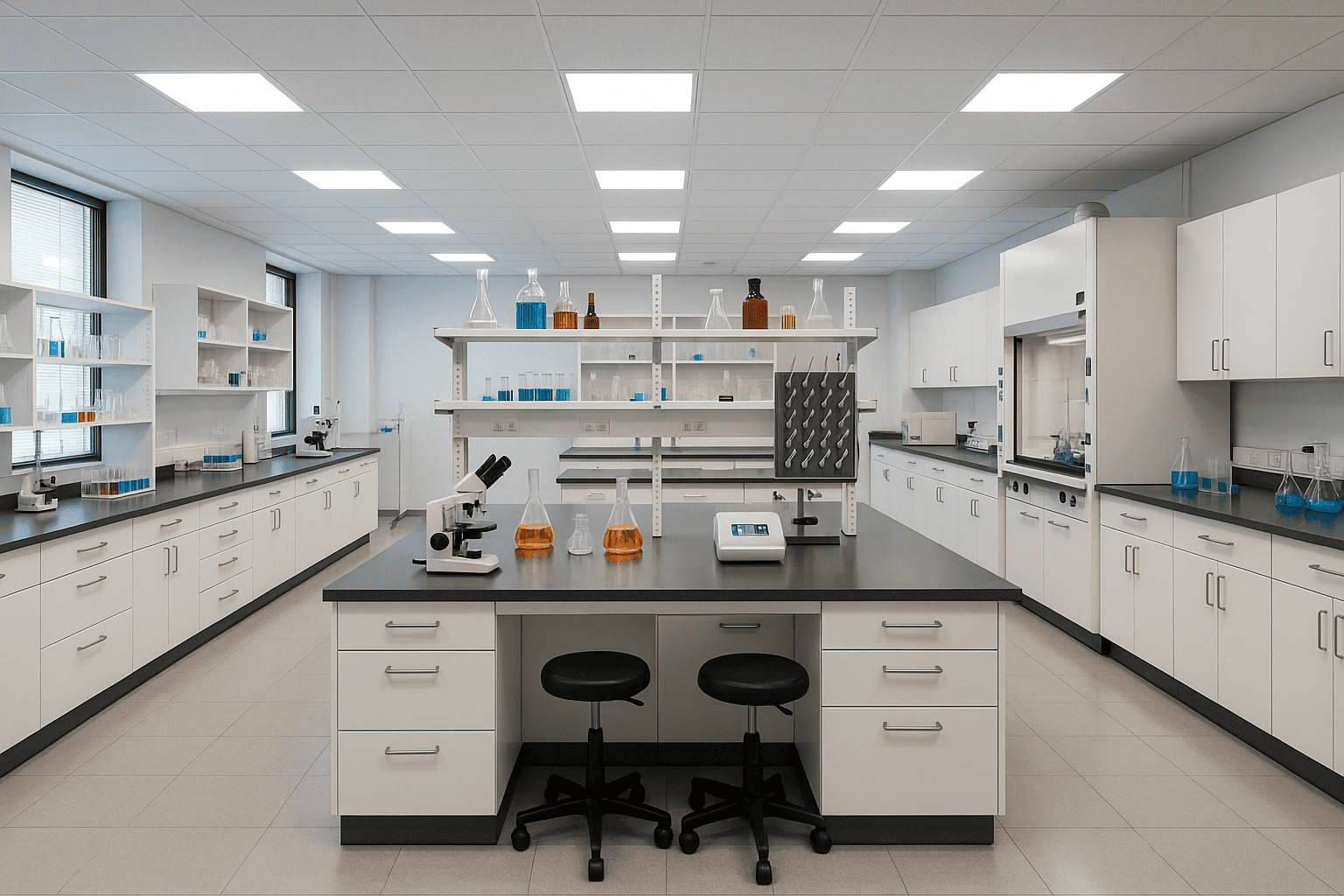
Building a modern laboratory is a complex process that requires precise lab planning, specialized laboratory furniture, integrated lab services, and strict adherence to compliance standards. A Turnkey Laboratory solution simplifies this process by offering a single point of responsibility—from concept and design to installation and commissioning. This guide provides a deep dive into every stage of turnkey lab setup, helping organizations make informed decisions and avoid costly mistakes.
What Is a Turnkey Laboratory?
A Turnkey Laboratory is a fully integrated solution where one expert provider manages the entire project lifecycle. This includes conceptual design, lab planning, civil and MEP work, laboratory furniture, safety systems, lab services, validation, and regulatory compliance. Once completed, the lab is handed over ready for immediate operation.
This approach is widely used in pharmaceutical, biotechnology, healthcare, research, educational, and industrial laboratories due to its efficiency, quality control, and cost predictability.
Step 1: Define the Purpose and Scope of the Laboratory
The first and most critical step in turnkey lab setup is understanding the lab’s purpose. Different labs have different requirements:
- Research & Development laboratories
- Pharmaceutical QC and QA labs
- Diagnostic and pathology labs
- Academic and institutional labs
- Industrial testing labs
Clear definition helps optimize lab planning, workflow, space allocation, and safety design. It also ensures that laboratory furniture and lab services are selected appropriately.
Step 2: Strategic Lab Planning and Layout Design
Effective lab planning ensures safety, productivity, and regulatory compliance. This phase includes:
- Workflow analysis
- Zoning (clean areas, wet labs, dry labs, storage, utilities)
- Ergonomic workstation placement
- Sample and personnel movement planning
A well-designed Turnkey Laboratory minimizes cross-contamination, improves efficiency, and supports future scalability. Advanced tools like 2D/3D layouts and BIM modeling are often used to visualize the design before execution.
Step 3: Selection of Laboratory Furniture
Choosing the right laboratory furniture is essential for durability, safety, and user comfort. Furniture must be compatible with the lab’s function and chemical exposure levels.
Common laboratory furniture includes:
- Lab benches and island tables
- Wall benches and sink units
- Fume hoods and biosafety cabinets
- Storage cabinets (acid, solvent, and general)
- Instrument tables and racks
In a Turnkey Laboratory, furniture is custom-designed to match layout plans, ensuring seamless integration with lab services and safety systems.
Step 4: Integration of Lab Services
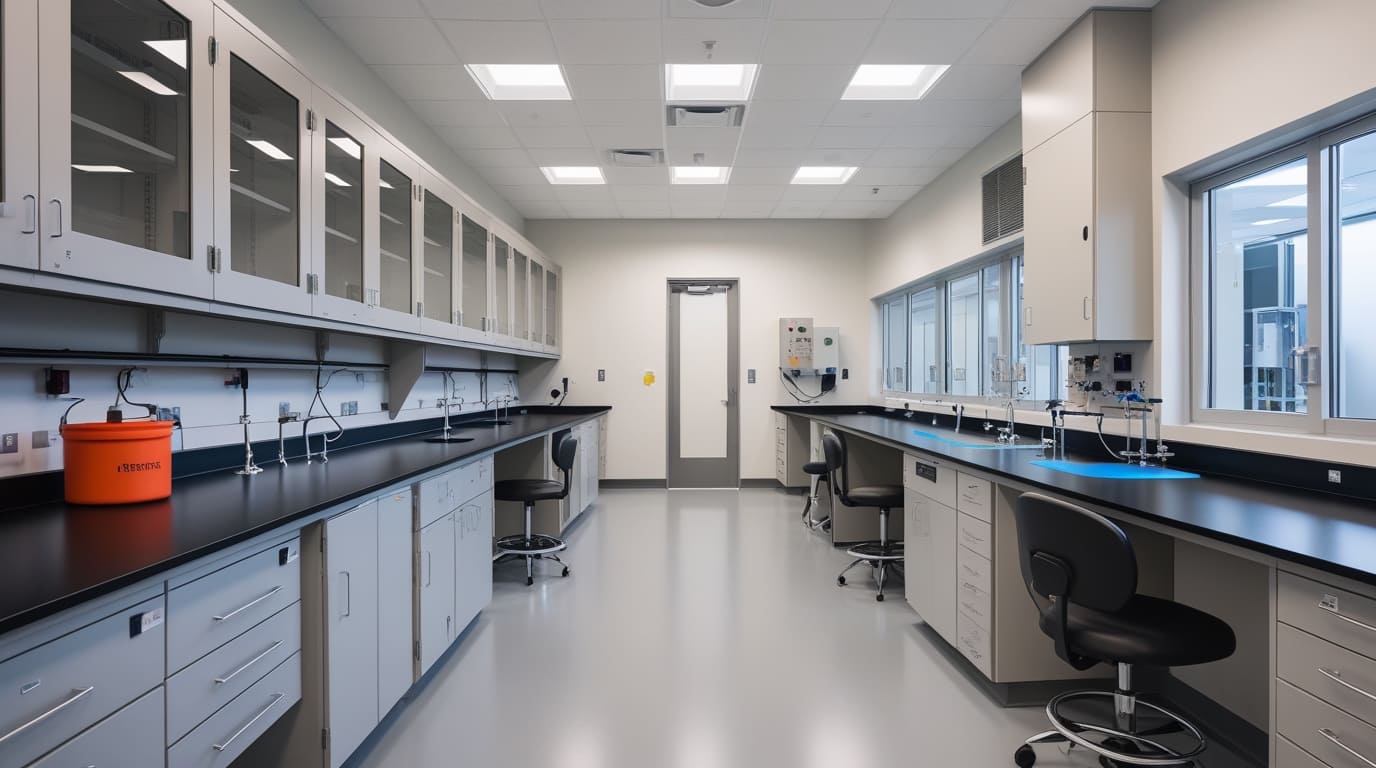
Efficient lab services are the backbone of any functional laboratory. These systems must be carefully planned and installed to support daily operations.
Key lab services include:
- Electrical and data points
- Gas distribution systems
- Water supply and drainage
- Compressed air and vacuum systems
- HVAC and ventilation systems
A professional turnkey lab setup ensures that all lab services are coordinated with furniture and equipment placement, reducing future maintenance issues and downtime.
Step 5: Safety Systems and Environmental Controls

Safety is non-negotiable in a Turnkey Laboratory. Modern labs require multiple safety layers to protect personnel, equipment, and the environment.
Essential safety features include:
- Fume hoods and exhaust systems
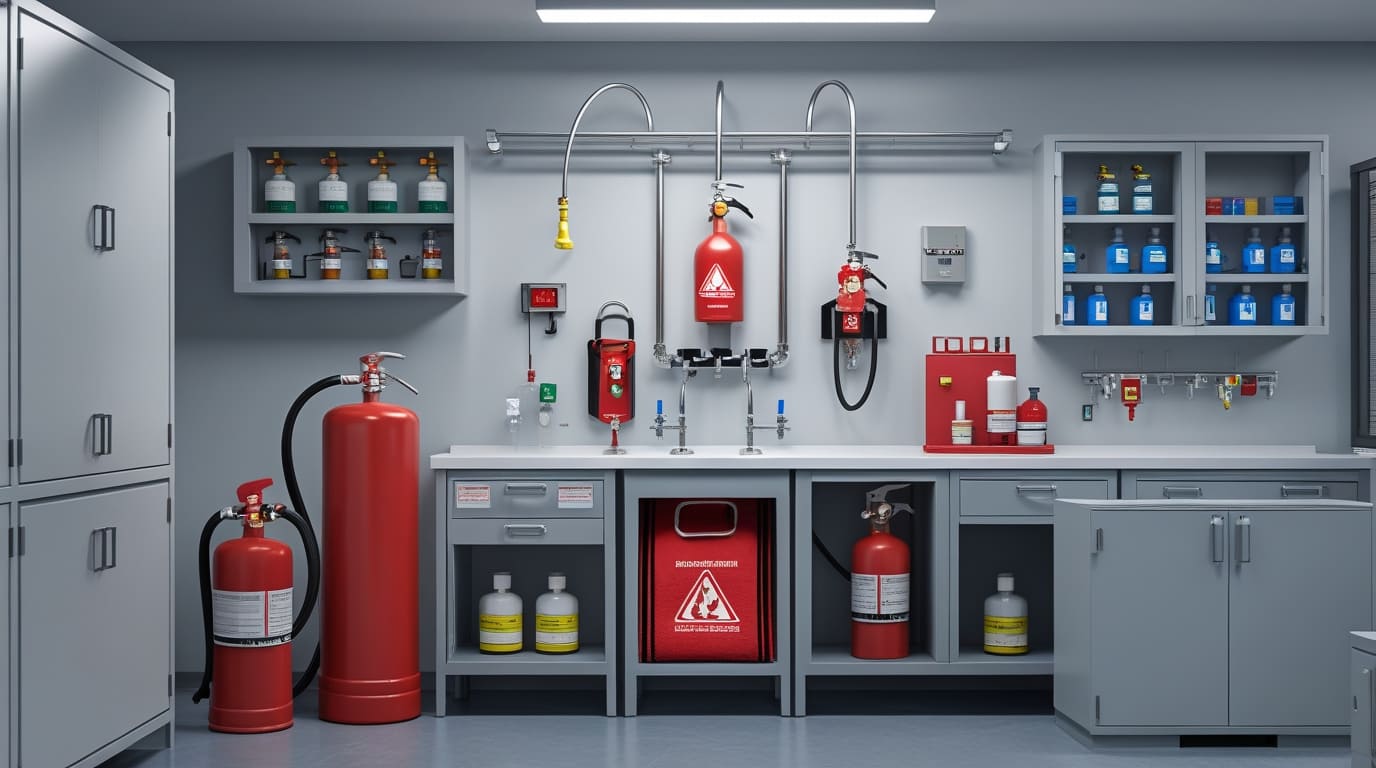
- Fire detection and suppression systems
- Emergency showers and eyewash stations
- Chemical spill containment
- Proper waste management systems
Effective lab planning integrates safety features without compromising workflow or productivity.
Step 6: Compliance with Regulatory Standards
Strict compliance with national and international regulations is mandatory. A reliable Turnkey Laboratory provider ensures adherence to applicable standards, such as:
- ISO and NABL guidelines
- GMP and GLP requirements
- OSHA and fire safety regulations
- Environmental and biosafety norms
Built-in compliance reduces the risk of audits, penalties, and operational delays. Proper documentation and validation are also part of a professional turnkey lab setup.
Step 7: Equipment Installation and Validation

Once construction and services are complete, laboratory equipment is installed and validated. This phase ensures that instruments function accurately and meet compliance standards.
Validation typically includes:
- Installation Qualification (IQ)
- Operational Qualification (OQ)
- Performance Qualification (PQ)
In a Turnkey Laboratory, validation is handled by experts, ensuring accuracy, repeatability, and regulatory acceptance.
Step 8: Testing, Commissioning, and Handover
Before final handover, the entire turnkey lab setup undergoes comprehensive testing and commissioning. All lab services, laboratory furniture, safety systems, and equipment are tested under real operating conditions.
The lab is then handed over as a fully functional, ready-to-use facility, complete with:
- As-built drawings
- Operation manuals
- Maintenance guidelines
- Compliance certificates
Benefits of a Turnkey Laboratory Approach
Choosing a Turnkey Laboratory offers several advantages:
- Single-point accountability
- Faster project execution
- Cost control and transparency
- High-quality lab planning and execution
- Guaranteed compliance with standards
This approach allows organizations to focus on research and operations while experts handle design, construction, and setup.
Conclusion
A Turnkey Laboratory is the smartest solution for organizations seeking efficiency, safety, and regulatory assurance. From strategic lab planning and customized laboratory furniture to integrated lab services and strict compliance, every step plays a vital role in creating a high-performance laboratory.
By partnering with an experienced turnkey provider, you ensure that your laboratory is future-ready, compliant, and optimized for productivity from day one.