 Chameza Group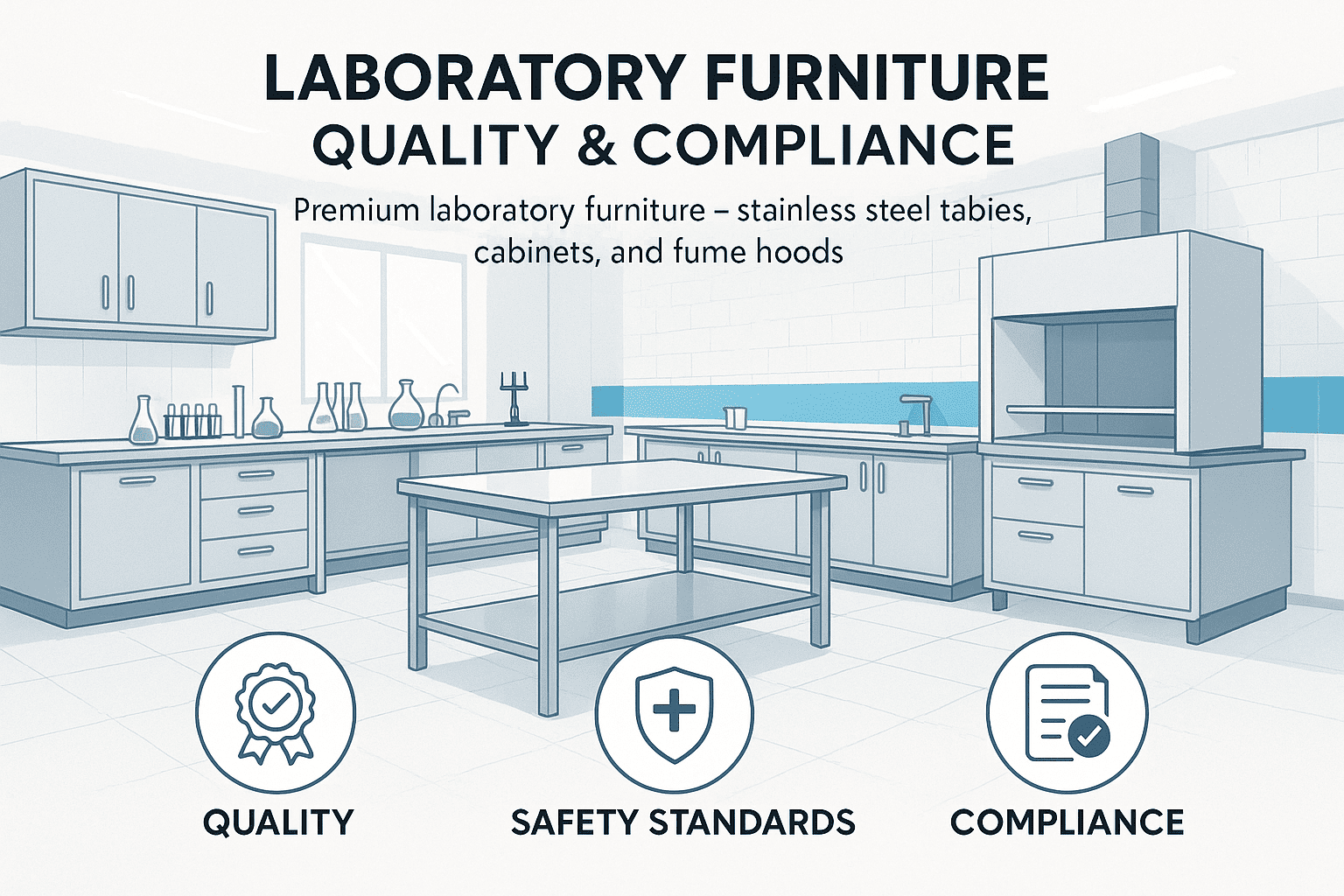
Setting up a laboratory is not just about advanced instruments or high-end technology — it’s about creating a space that supports safety, efficiency, and long-term reliability. One of the most critical aspects of any lab setup is selecting the right laboratory furniture manufacturing partner and ensuring that your furniture meets both quality and compliance standards. Whether it’s a school science lab, a research facility, or a healthcare laboratory, well-designed furniture plays a key role in daily performance and safety.
In this article, we’ll explore practical purchase tips, the importance of custom laboratory solutions, and how a well-planned setup contributes to compliance and quality. For additional guidance, you can check trusted industry references like chameza.in, labturnkey.in, and labcreator.in.
1- Understanding the Importance of Quality in Laboratory Furniture
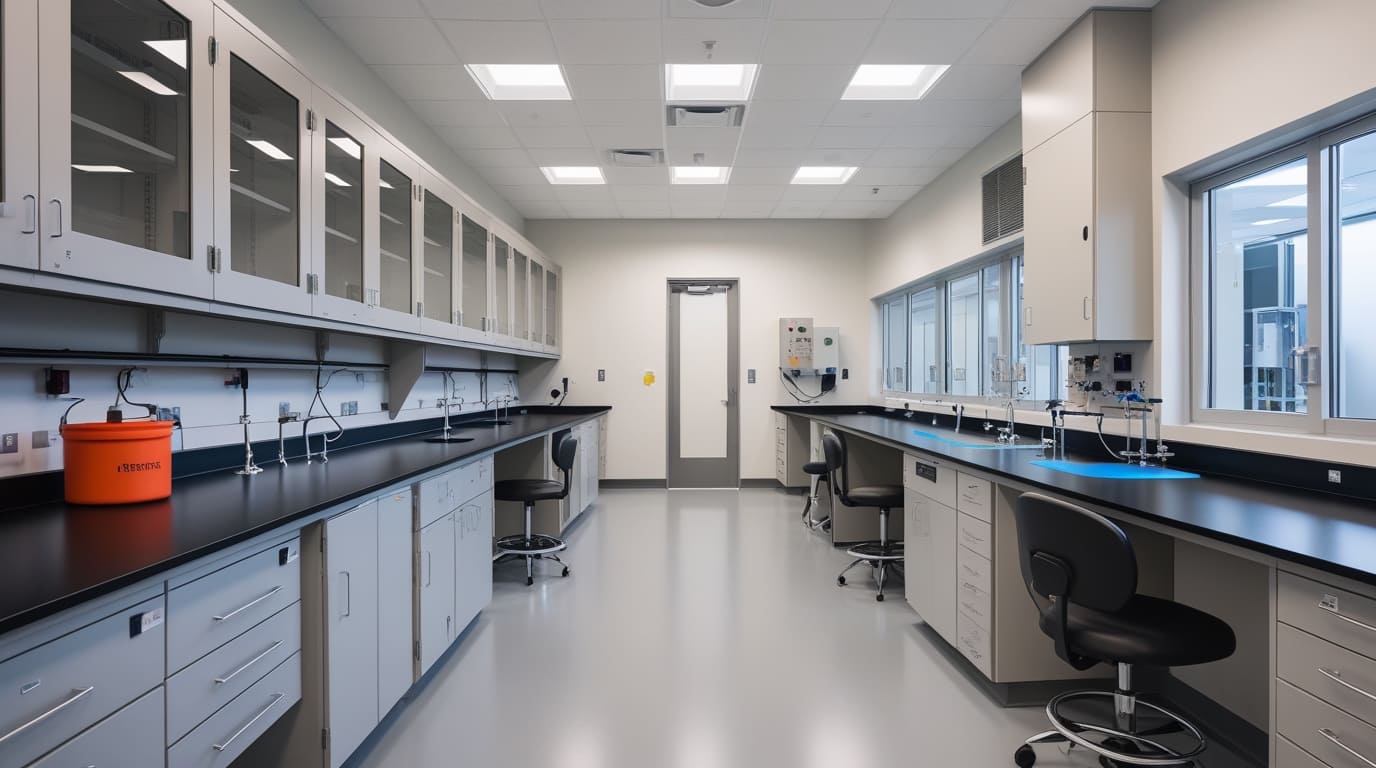
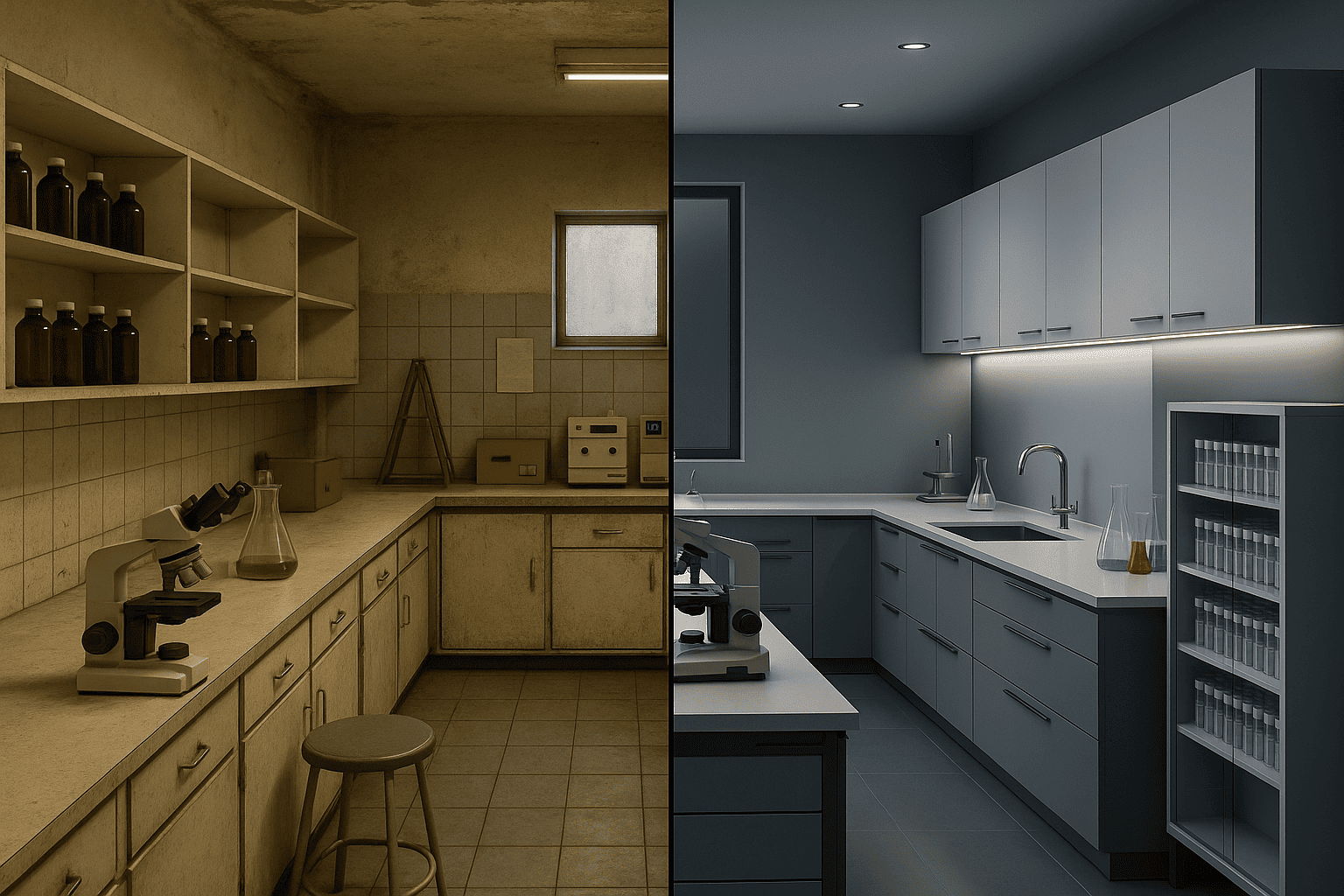
Laboratory furniture is more than just tables, cabinets, and workbenches — it forms the foundation of your laboratory’s operational success. High-quality furniture ensures safety during experiments, resists chemical damage, and enhances workflow efficiency. When furniture fails to meet standards, it can lead to contamination, accidents, and even legal complications related to non-compliance.
That’s why choosing the right laboratory furniture manufacturing company is essential. A reputable manufacturer uses high-grade materials like stainless steel, epoxy-coated steel, or phenolic resin — all known for their durability and resistance to heat and chemicals. Quality manufacturing not only ensures a long lifespan but also aligns with international safety and hygiene regulations.
2- The Role of Compliance in Laboratory Design
Every laboratory must meet specific regulatory standards, depending on its function. For example, pharmaceutical and diagnostic labs must comply with Good Laboratory Practices (GLP), while educational labs may follow national safety norms. Compliance isn’t limited to instruments; it extends to the very furniture you install.
Furniture designed by certified laboratory furniture manufacturing experts should meet these standards:
- Chemical resistance: Surfaces should resist corrosion and staining.
- Ergonomics: Workstations must support comfort and minimize fatigue.
- Ventilation: Fume hoods and exhaust systems should integrate seamlessly.
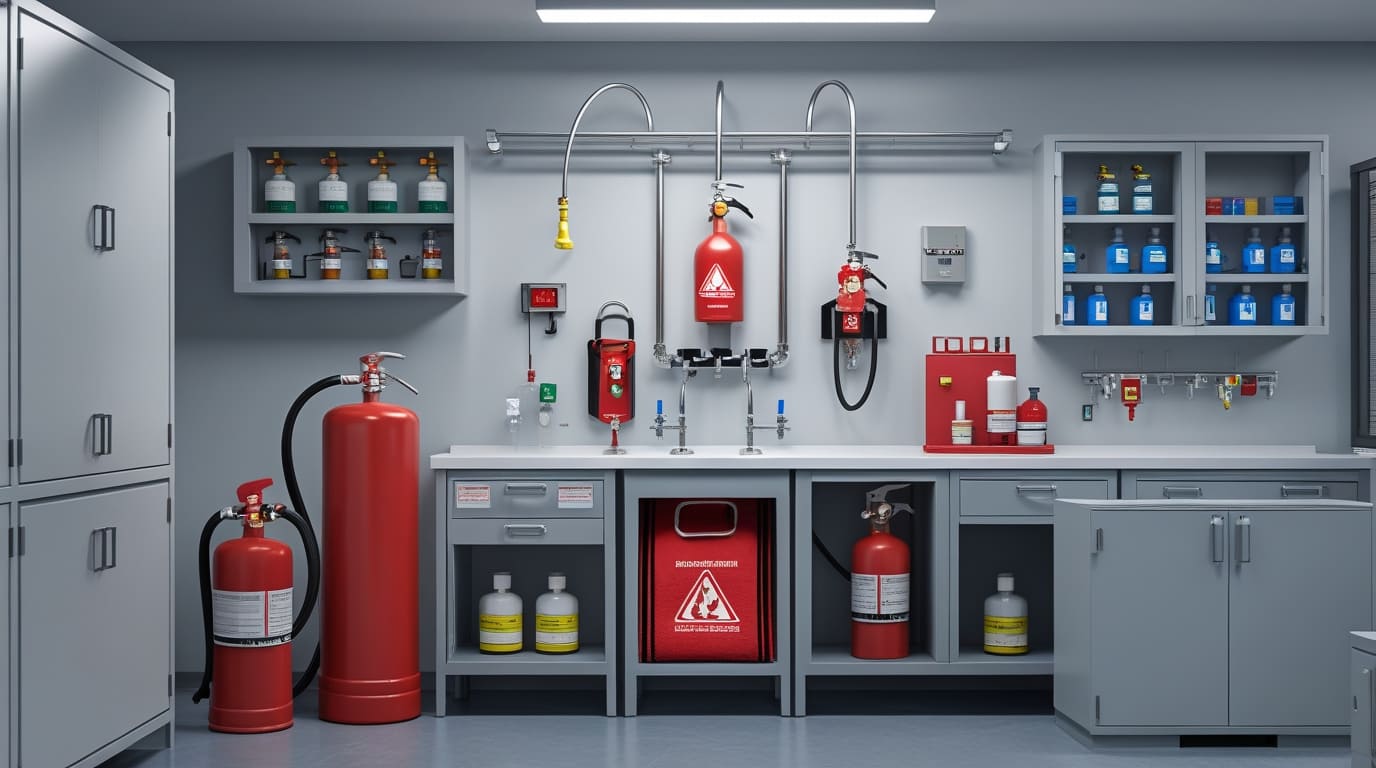
- Fire safety: Materials must comply with fire safety norms.
When your furniture aligns with these standards, your lab automatically becomes more efficient and audit-ready.
3- The Growing Trend of Hospital Turnkey Setup
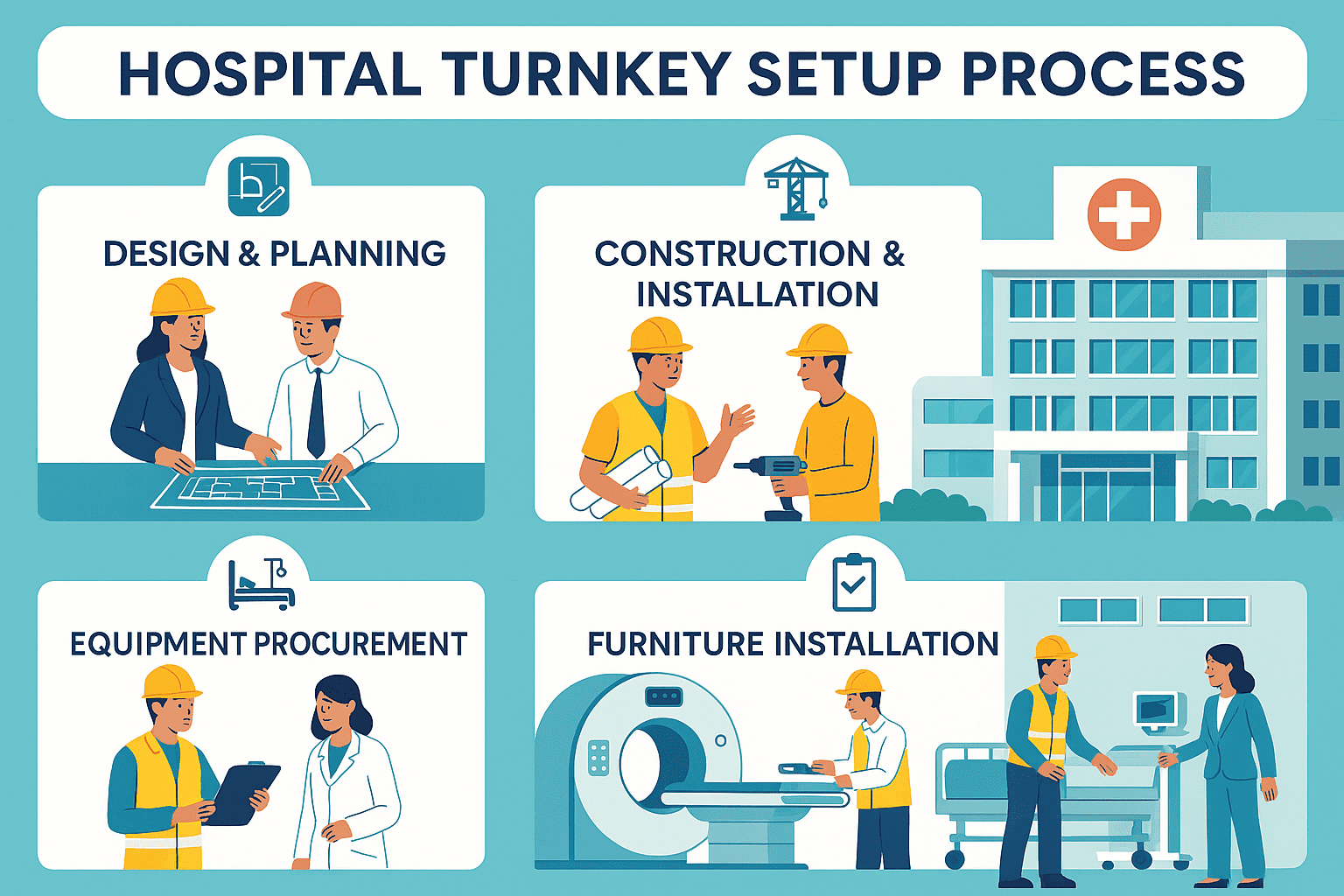
Modern laboratories are often part of larger facilities like hospitals or research institutions. Here, the concept of hospital turnkey setup has become increasingly popular. Instead of managing multiple contractors and vendors, turnkey solutions provide end-to-end services — from design to execution.
A hospital turnkey setup company handles everything:
- Space planning and layout optimization
- Interior design and laboratory zoning
- Installation of furniture, fume hoods, and safety systems
- Electrical, plumbing, and ventilation work
- Compliance documentation and certifications
This integrated approach saves time, reduces costs, and ensures that every component — including your lab furniture — meets the latest compliance and safety standards. By choosing a turnkey partner, you can focus on research and patient care rather than project management hassles.
4- Why Customization Matters in Modern Labs
No two laboratories are identical. Each has unique workflow requirements, space constraints, and safety needs. That’s where custom laboratory solutions become a game changer.
With custom laboratory solutions, you can tailor furniture design to fit your exact needs:
- Adjustable workbenches for ergonomic flexibility
- Modular storage units to optimize space
- Chemical-resistant countertops for durability
- Integrated sinks and eyewash stations for safety
- Color-coded cabinetry for specific lab zones
Customization ensures that your furniture supports your research process, minimizes risk, and enhances productivity. It also helps future-proof your setup — allowing modifications or upgrades as your work evolves.
5- Smart Purchase Tips for Choosing Laboratory Furniture
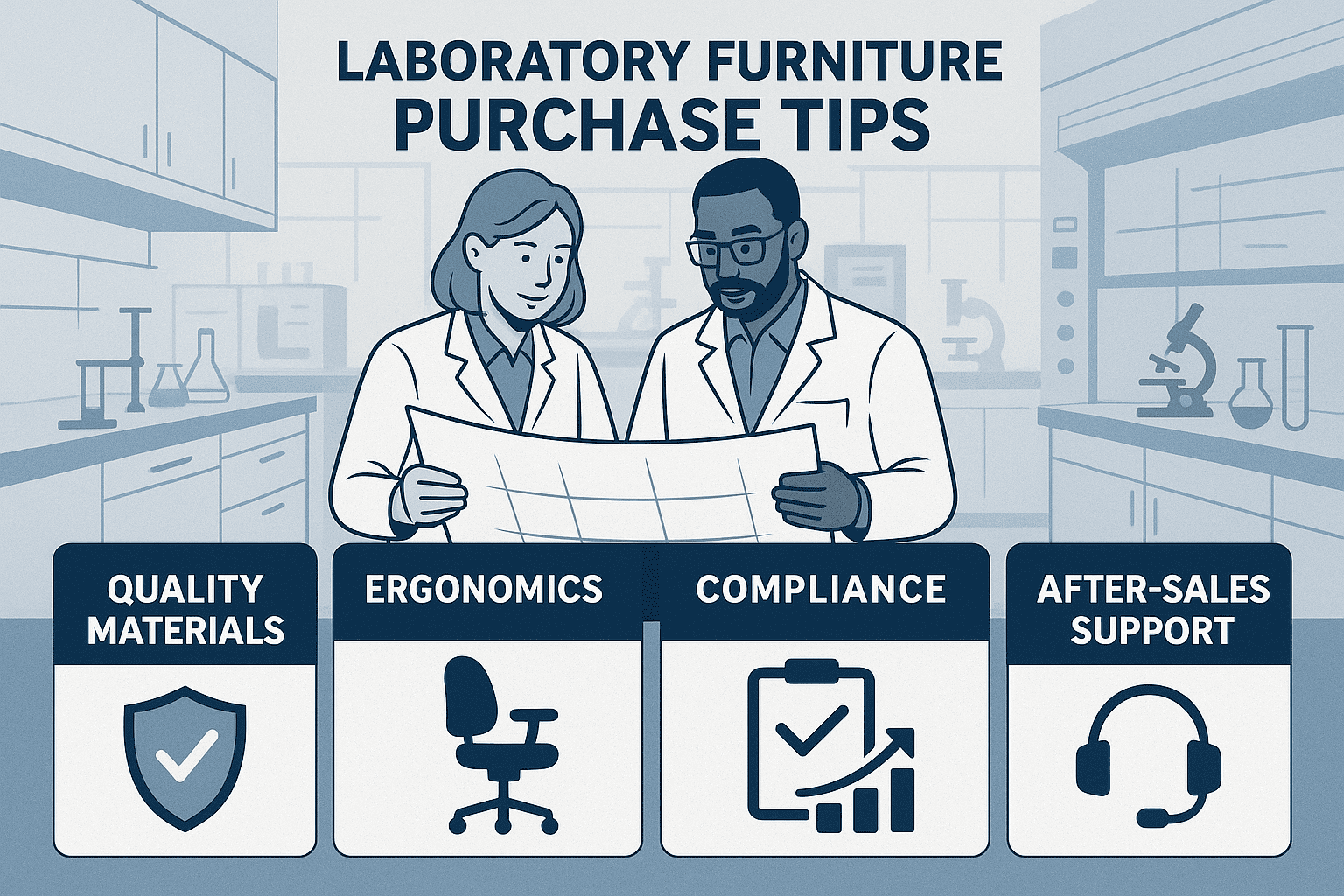
Selecting laboratory furniture requires more than just comparing prices. Here are key purchase tips to help you make a smart, long-term investment:
- Evaluate Material Quality
Choose materials that resist corrosion, impact, and chemical wear. Epoxy resin and stainless steel are excellent options for heavy-duty use. - Focus on Ergonom chemical wear
Epoxy resin and stainless steel are excellent options for heavy-duty use. - Focus on Ergonomics
Comfortable and adjustable furniture improves employee well-being and productivity, especially during long hours of testing or research. - Check Compliance Certifications
Ensure your supplier follows international standards such as ISO, CE, or BSI. This guarantees quality, durability, and safety. - Ask for Design Consultation
Work with experts who can provide a 3D layout or design proposal before you finalize your order. Many suppliers offer this service to optimize space usage. - Plan for Future Scalability
Choose modular systems that allow easy expansion as your team or research scope grows. - Inspect Warranty and After-Sales Support
A strong warranty policy and reliable after-sales service are indicators of a trustworthy supplier. - Review Client Feedback
Following these purchase tips ensures that you invest in furniture that not only meets today’s needs but also stands the test of time.
6- Sustainability and Green Laboratory Design
Sustainability is becoming a top priority in laboratory design. Modern labs are adopting eco-friendly materials and energy-efficient systems. For example, using recycled steel or low-VOC coatings minimizes environmental impact without compromising on quality. Many hospital turnkey setup providers now include sustainability goals as part of their design process.
By integrating eco-conscious furniture and layouts, laboratories can reduce waste, save energy, and promote a healthier work environment — all while maintaining strict compliance standards.
7- Final Thoughts
Selecting the right laboratory furniture is a strategic decision that affects your facility’s safety, performance, and regulatory compliance. From choosing reliable laboratory furniture manufacturing partners to implementing custom laboratory solutions that align with your workflow, every detail matters. Combine that with smart purchase tips and support from a trusted hospital turnkey setup provider, and you’ll have a lab that’s not only efficient but also built to last.
If you’re ready to upgrade or build a new lab setup, explore professional services and resources from chameza.in, labturnkey.in, and labcreator.in. These platforms offer industry expertise, design support, and compliant manufacturing options tailored to your specific needs.